
When Should Smoke Detectors Be Replaced in Sandy, Utah Homes and Businesses?
September 17, 2026
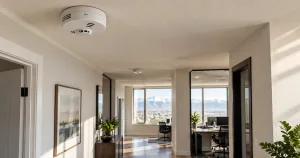
Most household smoke detectors should be replaced 10 years after their date of manufacture—even if they still sound when tested. Combination smoke and carbon monoxide alarms may have a lifespan of seven to 10 years, depending on the manufacturer.
Smoke detectors should be replaced sooner if they fail a test, produce an end-of-life warning, appear damaged, have been painted over or repeatedly chirp after the battery has been addressed. Commercial fire-alarm devices must be maintained according to the system manufacturer, applicable fire codes and required inspection schedule.
Why Do Smoke Detectors Need to Be Replaced?
Smoke alarms contain sensing components that can become less dependable as they age. Dust, moisture, temperature changes and normal wear can also affect performance over time.
Pressing the test button confirms that the alarm’s electronics and sounder are working. It does not make an expired sensing component new again. An alarm can sound during a button test and still need replacement because it has reached the end of its rated service life.
The National Fire Protection Association reports that working smoke alarms cut the risk of dying in a home fire approximately in half. Replacing expired alarms is therefore an important safety measure, not simply routine home maintenance.
How Can You Determine the Age of a Smoke Detector?
Look for the manufacture date printed on the back or side of the alarm. The replacement timeline begins with the manufacture date—not the date you purchased the property or first noticed the alarm.
If the unit is approaching 10 years old, it should generally be replaced. Follow the manufacturer’s instructions when a device specifies a shorter lifespan.
Replacement should also be considered when:
- The manufacture date is missing or unreadable
- You recently purchased a home and do not know the alarm’s history
- Several alarms throughout the property are different ages or models
- An alarm has been exposed to water, paint or physical damage
- The alarm does not respond when tested
- A sealed-battery alarm produces an end-of-life warning
If an alarm is hardwired and you are uncomfortable removing it from its mounting plate, have an electrician check the date and condition.
Is a Smoke Alarm the Same as a Smoke Detector?
The terms are commonly used interchangeably, but they can describe different equipment.
A smoke alarm is typically a self-contained unit that detects smoke and produces its own warning sound. These are common in houses, apartments and smaller residential properties.
A smoke detector may be a sensing device connected to a larger fire-alarm control system. This arrangement is more common in commercial buildings, multifamily properties and other regulated occupancies.
The distinction matters because a commercial detector usually cannot be replaced with an ordinary residential alarm. The device must be compatible with the building’s fire-alarm system and installed, tested and documented correctly.
What Warning Signs Mean a Smoke Detector Should Be Replaced?
Age is not the only reason to replace an alarm. Arrange an evaluation when you notice:
- The alarm does not sound when the test button is pressed
- Chirping continues after the battery has been replaced correctly
- The unit announces or displays an end-of-life warning
- The housing is cracked, loose, discolored or damaged
- Paint, heavy dust or debris has entered the alarm
- Interconnected alarms do not sound together
- A hardwired alarm repeatedly loses power
- The alarm sounds frequently without an identifiable cause
- The property has missing alarms or questionable placement
Repeated false alarms should not be solved by disconnecting the device or removing its battery. The cause may involve contamination, age, placement, power problems, incompatible alarms or a unit that needs replacement.
How Often Should Smoke Detectors Be Tested?
The NFPA recommends testing household smoke alarms at least once every month by using the test button. Sandy City also includes testing every smoke alarm as part of its home fire-drill guidance .
Battery maintenance depends on the alarm:
- Replaceable batteries should be changed according to the manufacturer’s instructions or when the low-battery warning sounds.
- Sealed 10-year batteries are not designed for routine battery replacement. The complete alarm is replaced when it reaches the end of its service life.
- Hardwired alarms commonly include backup batteries that must also be maintained.
Never disable an alarm because it chirps. Identify whether the warning indicates a low battery, loss of electrical power, contamination, malfunction or end of life.
Where Should Smoke Alarms Be Installed in a Home?
General NFPA guidance recommends smoke alarms:
- Inside every sleeping room
- Outside each separate sleeping area
- On every level of the home, including the basement
- In locations where alarms can be heard throughout the home
Larger homes, finished basements, additions and unusual layouts may require additional alarms. Placement near kitchens, bathrooms, ceiling fans or air registers must be planned carefully to reduce nuisance alarms without leaving dangerous gaps in coverage.
Interconnected alarms provide broader warning because when one alarm detects smoke, the connected alarms sound throughout the property. Interconnection may be hardwired, wireless or a combination approved by the manufacturer.
Powered Up Inc. provides smoke detector installation and replacement for homes throughout Sandy and the Salt Lake Valley.
Do Hardwired Smoke Detectors Still Need Replacement?
Yes. Hardwiring supplies electrical power, but it does not prevent the sensing components from aging.
A hardwired alarm may also contain a backup battery so it can continue operating during a power outage. Both the alarm and its backup power require proper maintenance.
When replacing interconnected hardwired alarms, compatibility is important. Units that appear similar may use different connectors, communication methods or interconnection requirements. Mixing incompatible models can prevent the alarms from communicating correctly.
An electrician can evaluate the existing wiring, verify compatibility, replace aging alarms and test whether the interconnected system operates as intended.
Should Every Smoke Detector Be Replaced at the Same Time?
Replacing all alarms together can make sense when they were originally installed at the same time or their ages are unknown. A matched group can also make future testing and replacement easier to manage.
Complete replacement should be considered when:
- The property is around 10 years old and still has its original alarms
- Several alarms have missing manufacture dates
- The existing alarms are mismatched
- Interconnection is unreliable
- A remodel changes bedrooms, hallways or living areas
- You want to upgrade to compatible combination smoke and carbon monoxide alarms
Replacing one failed unit may be sufficient when the remaining alarms are newer, compatible and functioning correctly. The entire system should still be reviewed so one new alarm is not added to a group of expired devices.
What Should Sandy Business Owners Know?
Commercial smoke-detection and fire-alarm requirements depend on the building’s occupancy, size, layout, fire-protection systems and approved plans. Offices, restaurants, warehouses, retail stores, medical spaces and multifamily properties may have very different requirements.
Commercial systems can include:
- Smoke and heat detectors
- Manual pull stations
- Horns and visual notification devices
- Fire-alarm control panels
- Backup power supplies
- Sprinkler-system monitoring
- Off-site monitoring equipment
Utah requires qualifying fire-alarm systems to be tagged to show that the required annual inspection has been completed. The Utah State Fire Marshal’s Office provides information about certification and inspection requirements.
Business owners should not replace a system detector with a retail household alarm or make unapproved changes to a fire-alarm system. Have the system evaluated by appropriately qualified professionals and confirm requirements with the local fire authority when necessary.
Powered Up Inc. provides commercial electrical services for businesses throughout the Salt Lake Valley and can assist with related electrical planning, repairs and improvements.
When Should Smoke Detectors Be Reviewed During a Remodel?
Smoke-alarm coverage should be reviewed whenever a project changes the property’s layout or use. Examples include:
- Adding or relocating bedrooms
- Finishing a basement
- Creating a home office
- Building an addition
- Remodeling hallways or stairways
- Changing a commercial tenant space
- Dividing one business area into multiple rooms
- Installing new ceilings or altering electrical wiring
Planning detector locations while walls and ceilings are already open may simplify wiring and improve interconnection. It also prevents alarms from being treated as an afterthought near the end of the project.
When Should You Call an Electrician?
Contact an electrician when:
- Hardwired alarms do not receive power
- Interconnected alarms do not sound together
- Detectors are missing, damaged or more than 10 years old
- Chirping continues after basic battery maintenance
- You are adding bedrooms, finishing a basement or remodeling
- The existing alarms are incompatible or mismatched
- You need help selecting properly rated replacement units
- Electrical wiring or mounting locations must be added or changed
Smoke detectors are life-safety equipment. Installation should provide dependable power, secure mounting, proper placement and reliable operation throughout the property.
Powered Up Inc. serves homeowners and businesses in Sandy, Salt Lake City, Draper, South Jordan, West Jordan, Midvale, Murray, Cottonwood Heights, Riverton and surrounding Salt Lake Valley communities.
Contact Powered Up Inc. to schedule smoke detector installation, replacement or electrical troubleshooting.
Frequently Asked Questions
Do Smoke Detectors Expire If They Still Beep During a Test?
Yes. The test button checks the electronics and sounder, but a smoke alarm should still be replaced when it reaches the end of its rated lifespan.
Why Is My Smoke Detector Chirping?
Common causes include a low battery, loss of electrical power, dust, an improperly installed battery or an end-of-life warning. Follow the manufacturer’s instructions and replace the unit when necessary.
Can I Replace One Hardwired Alarm With Any Brand?
Not necessarily. Interconnected alarms must be compatible with the existing wiring and other alarms. Check the manufacturer’s compatibility requirements or consult an electrician.
Should Smoke and Carbon Monoxide Alarms Be Combined?
Combination alarms can provide both forms of detection in one unit when they are properly selected and located. Follow the manufacturer’s instructions and applicable placement requirements.
Does the 10-Year Replacement Rule Apply to Commercial Detectors?
Not universally. Commercial detector replacement depends on the device, system manufacturer, inspection results, approved system design and applicable requirements. Commercial fire-alarm systems should be maintained by appropriately qualified professionals.
Need an Electrician in Sandy, Utah?
Powered Up Inc. serves Sandy and the surrounding Salt Lake Valley. Reach out for a free consultation.