
Demystifying Electrical Terminology: A Guide for Salt lake City, Utah Homeowners
October 9, 2023
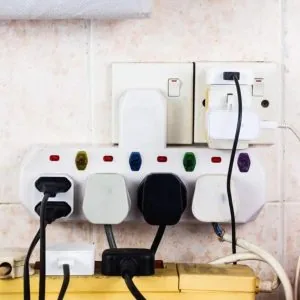
Demystifying electrical terminology When it comes to the electrical systems in our homes, many of us find ourselves in the dark, overwhelmed by a sea of technical jargon and mysterious acronyms. Fear not, homeowners, for in this guide, we’re on a mission to demystify electrical terminology and shed light on the language of volts, amps, and circuits.
Let’s start with voltage, often likened to the pressure in a water pipe. Voltage is the force that pushes electricity through a conductor (like wires). In your home, outlets typically provide either 120 or 240 volts. Understanding voltage is crucial, as it determines the types of appliances and devices your electrical system can support.
Amperage, or amps, is the measure of electrical current—the rate at which electricity flows through a conductor. Think of it like the volume of water flowing through a pipe. Most household circuits are rated for 15 or 20 amps. Knowing the amperage of a circuit helps prevent overloading and potential fire hazards.
A circuit is a closed loop that allows electricity to flow. Your home has various circuits for different purposes, such as lighting, outlets, and appliances. Understanding circuits helps you identify where electrical issues might be originating and ensures that the electrical load is distributed safely.
Wattage measures the power consumption of a device and is the product of voltage and amperage. Knowing the wattage of your appliances is vital for preventing circuit overloads. You can find this information on the labels of most electrical devices.
GFCI (Ground Fault Circuit Interrupter) and AFCI (Arc Fault Circuit Interrupter) are advanced safety features in modern electrical systems. GFCIs protect against electrical shock in wet areas like bathrooms and kitchens, while AFCIs detect potentially dangerous arcing conditions, reducing the risk of electrical fires.
- Perform routine visual inspections of outlets and switches.
- Look for signs of wear or discoloration, which may indicate electrical problems.
- Understand the electrical capacity of your circuits and avoid overloading them.
- Consider consulting an electrician before adding new appliances or devices.
- Schedule regular professional electrical inspections to identify potential issues early on.
- Don’t hesitate to call a licensed electrician if you notice anything unusual or if your home is due for an inspection.
In conclusion, demystifying electrical terminology empowers homeowners to take charge of their electrical systems. By understanding the basics of voltage, amperage, circuits, and safety features like GFCIs and AFCIs, you can create a safer home environment for you and your loved ones. Remember, when in doubt, consulting with one of our professional Salt Lake City electricians at Powered Up Inc. is always a bright idea!
Need an Electrician in Sandy, Utah?
Powered Up Inc. serves Sandy and the surrounding Salt Lake Valley. Reach out for a free consultation.